
EP07 · October 30, 2026 · From the podcast
A compostable bag is only as good as the compost plant it reaches.
A bag sold as biodegradable spent three years in the soil, in a University of Plymouth study published in 2019. It could still carry a full load of shopping. The word on the box never said where it would break down, or how fast.
The Take
Three words share the bag aisle: oxo-degradable, biodegradable and compostable. They describe three different bags. Only one comes with a test, and that test names a place.
An oxo-degradable bag is conventional plastic with an additive that makes it fragment. Biodegradable says that microbes can break the material down, with no place and no deadline attached. Compostable has standards behind it: ASTM D6400 in North America, EN 13432 in Europe. The European standard asks for at least 90% biodegradation within six months, measured against a reference material, at about 58 °C. The American standard gives the setting in its title: “Municipal or Industrial Facilities”.
Take the plant away and the result changes. The University of Plymouth left bags in open air, soil and sea, and published the results in 2019. After three years in soil and sea, the biodegradable, oxo-biodegradable and conventional bags could still carry a load of shopping. The compostable bag was gone from the sea within three months and still present in soil after 27 months. The bioplastics industry replied that a compostable bag is designed for a composting plant and was never meant to end up as litter. We agree. That is the condition, and it is often not met.
In its 2023 survey, BioCycle counted 14.9 million US households with access to food waste collection, out of more than 100 million. Even there, more than half of curbside programs did not accept compostable packaging (see The Number, below). In Canada, Toronto’s green bin guide says: “Compostable plastic bags are not necessary”. Among composters, the door is opening: 142 of the 200 full-scale food waste composting facilities surveyed in 2023 accepted compostable packaging, 71%, against 58% in 2018.
The recycling bin is no fallback. The Association of Plastic Recyclers design guide for polyethylene film lists PLA, PHA, starch-based polymers and degradable additives as features that “render package non recyclable”. In Quebec, Éco Entreprises Québec adds a penalty to the fee producers pay toward curbside recycling for PLA and other degradable plastics, because they are not accepted in recycling bins and have no adequate treatment process: 20% in 2024, 50% for the 2026 declaration.
There is a place where the compostable bag is the right tool. As of October 2026, Montréal’s food waste collection guide shows most boroughs accepting compostable bags certified by the Bureau de normalisation du Québec (BNQ) in the brown bin, and refusing biodegradable and oxo-degradable bags. There, the bag goes where its standard assumes it goes.
What this changes for you. Before you buy on the word compostable, ask two questions. Does the municipality where the bag will be used collect food waste? Does its program ask for certified compostable bags? Two yeses: ask for the certificate. Otherwise, the word on the box describes a plant the bag is unlikely to reach.
The Number
56%
The share of US curbside food waste programs that did not accept compostable packaging in BioCycle’s 2023 survey. The main concerns reported: facilities not built for it, and lookalike plastics. Where food waste is collected, the label alone does not get the bag in. Source: BioCycle.
On Air
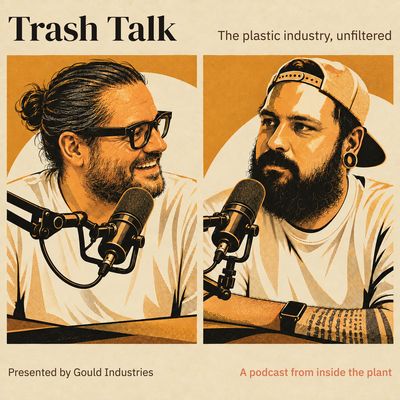
EP07 · Compostable bags: the green trap
Under ten minutes on what the three words on the bag box mean, what composters accept, and how compostable film behaves on a blown film line. On Spotify since October 30, 2026.
Listen on SpotifyThree to Keep
- Compostable, biodegradable and oxo-degradable are three different bags. Only compostable has a test behind it, and the test assumes an industrial composting facility at about 58 °C.
- In the Plymouth study published in 2019, biodegradable bags still carried shopping after three years in soil and sea. In Quebec, degradable plastics carry a 50% penalty for the 2026 declaration.
- A compostable bag works where the municipality composts and its program asks for it. Check both before you buy on the label.
The TrashTalk desk
Every figure checked against public sources.
Sources
- University of Plymouth, news release on the study, and Napper and Thompson, Environmental Science & Technology, April 2019
- European Bioplastics, response to the Plymouth study, 2019
- ASTM International, ASTM D6400, page checked September 24, 2026
- British Plastics Federation, standards for compostability, EN 13432, page checked September 24, 2026
- BioCycle, residential food waste collection access survey, 2023
- BioCycle, full-scale food waste composting infrastructure survey, 2023
- US Census Bureau, families and living arrangements, 2023
- City of Toronto, green bin guide, page checked October 28, 2026
- Association of Plastic Recyclers, APR Design Guide, polyethylene film, page checked September 24, 2026
- Éco Entreprises Québec, press release on eco-modulation, June 20, 2024
- Éco Entreprises Québec, opening of the 2026 annual declaration period, page checked October 28, 2026
- Éco Entreprises Québec, eco-modulation page, page checked September 24, 2026
- Ville de Montréal, food waste collection guide, page updated May 11, 2026
- Gouvernement du Québec, BNQ certification programs for compostable products, July 2024