Trash Talk

The plastic industry, unfiltered A newsletter from inside the plant

No. 1 · November 6, 2026

California prices film by the pound. That is the right unit.

California just put a price on a pound of plastic film: 24 to 30 cents, the highest line on its new fee schedule. The unit matters more than the amount.

Illustration: a vintage radio and a folded newspaper

The Take

On October 13, Circular Action Alliance, the producer organization for California’s packaging law (SB 54), filed its final program plan with the state. The budget for 2027 is $1.1 billion, down from as much as $1.87 billion in the June draft. On the fee schedule, plastic film and flexibles sit at the top, mostly 24 to 30 cents a pound. The program is planned to start on January 1, 2027, if the state regulator, CalRecycle, approves the plan. It has 75 days to decide.

The mechanism is simple. The fee is paid by the producer that puts the package on the California market, and it is counted by weight. A lighter package pays less. A label or a claim does not change that figure. The scale does.

That is why we call it the right unit. A fee by the pound rewards the one thing a film plant can prove: fewer grams doing the same job. Film producers have been downgauging for years, because resin is bought by the pound too. The fee adds a second reason to do what the first reason already paid for.

It also has a limit, and Dow said it plainly at Pack Expo in Chicago. Adwoa Coleman, senior sustainability manager for ecosystems and EPR at Dow North America, said lightweighting and downgauging “will help to reduce the fees, but they won’t create a big step change.” She is right. A film that is already thin has few grams left to give.

We think film sits at the top of the schedule for a reason the bale market shows every month. A bale of used film is film, labels, tape and whatever was left in the bag. It is the hardest material to clean, and buyers pay for it accordingly (see The Number, below).

What this changes for you. If you buy film or flexible packaging that ends up on a California shelf, two questions now belong together: what does one unit weigh, and who is the producer on paper. Ask for the first answer in writing. The fee per pound is public.


On the Line

Five cents settled. Twelve more are still a request.

What happenedSeptember polyethylene contracts settled 5 cents a pound higher, Dow’s chief executive said on October 22. Dow has nominated a cumulative 12 cents more for October and November. The November outlook from Plastics Technology, published October 21, sees polyethylene largely flat for both months. Sources: Resource Recycling, Plastics Technology.

Our readA nominated increase is a request, and a settlement is a price. Budget on the second. The sellers have an argument: September inventories fell by 400 million pounds, the largest draw in more than a year. The buyers have one too: domestic demand is flat.

Canadian polyethylene bags left the US 50% list. The reverse is not true.

What happenedA White House proclamation signed October 23 removed 22 tariff lines from the 50% duties on Canadian goods, effective October 30. One of them is HTSUS 3923.21.00, sacks and bags of polymers of ethylene. Canada’s counter-tariff list still carries its own line for polyethylene bags, item 3923.21.90, at 50%. Sources: GHY, Department of Finance Canada.

Our readWe take no side in the dispute. The practical point is narrower: the code on the shipping document and the date of crossing now decide the bill. Check both before a quote goes out, because the list was extended in August and changed again in October.

The Supreme Court of Canada will hear the plastics case. The stake is one word.

What happenedOn October 15, the Court agreed to hear the challenge to Ottawa’s single-use plastics ban (docket 42277). The ban covers six categories, checkout bags among them. Garbage bags are not on the list. The ban stays in force in the meantime. The notice of appeal is due by November 16. Source: Supreme Court of Canada.

Our readThe six items are the small part of the case. To ban them, Ottawa listed all “plastic manufactured items” as toxic in 2021, and that listing covers every garbage bag made in the country. A word that broad is where the next regulation starts. That is the part to follow.

The Number

13.19 ¢

The price of a pound of baled grade A film in the bale report of October 14, in US cents. Same as September. A year ago: 18.75 cents. In the same report, natural HDPE climbed from 36.50 to 40.25 cents. Film is the one material nobody is bidding up. We read California’s top line as the same story, told in fees. Source: Resource Recycling.

On Air

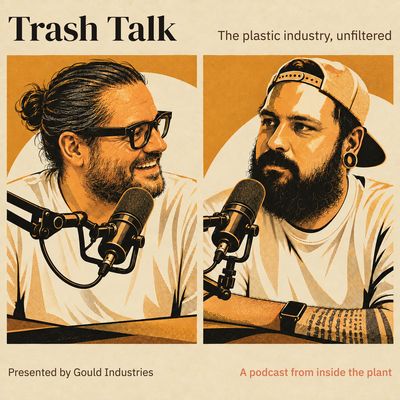
Cover of the TrashTalk podcast

EP08 · Plastic News of the Month, November 2026

Out this Friday at 8 a.m. on Spotify. Did Dow’s increase stick, which bags came off the 50% list, and who has the upper hand going into 2027. Next week: Made in USA.

Listen on Spotify

Three to Keep

  1. California’s fee is counted by the pound. Film and flexibles: mostly 24 to 30 cents, with a planned start on January 1, 2027, pending state approval.
  2. September polyethylene settled 5 cents higher. The 12 cents nominated for October and November are not settled.
  3. Since October 30, Canadian polyethylene bags are off the US 50% list. US bags still pay 50% to enter Canada.

The TrashTalk desk

Every figure checked against public sources.

Sources